

Poland has had an unusually rough and bloody history, which might explain the preponderance of vodka shot bars dotting every quarter of this glorious medieval city.
As the specter of war looms just one nation away to the east, Poland is once again reminded of the martial geography that seems to define so many aspects of life here, even during peaceful interludes.
This is not to say that a visit to Krakow is a joyless experience. Far from it: Krakow, Poland’s second city only in population size, punches far above its weight as a tourist destination. Eminently affordable, the city founded on an ancient dragon’s lair pummels the senses with evocative cobblestone streets, miraculously preserved gothic architecture, comprehensive public transport, idyllic green spaces, a deep arts community, and a sophisticated culinary scene.
Appreciating all of this to the fullest, however, requires some sobriety to even things out. And you don’t have to take one step out of Rynek Główny, Krakow’s main square, to begin hearing the ghostly whispers of a darker past. If fact, you just need to take a few steps underground.
******
Inside the subterranean Muzeum Historyczne Miasta Krakowa, just below the Cloth Hall marketplace, you can literally step back centuries through time and walk upon the original cobblestone roads of medieval Krakow. Multimedia displays include reenactments of Krakow life in the 12th and 13th centuries. Terror campaigns by invading Tartars were bad; for many residents, life under suspicion of vampirism was even worse. During the archeological excavations, crews unearthed skeletal remains of men and women buried either decapitated or bound into fetal positions — methods thought necessary to prevent the dead from returning as creatures of the night. The bones are on permanent display, just out of arms reach.
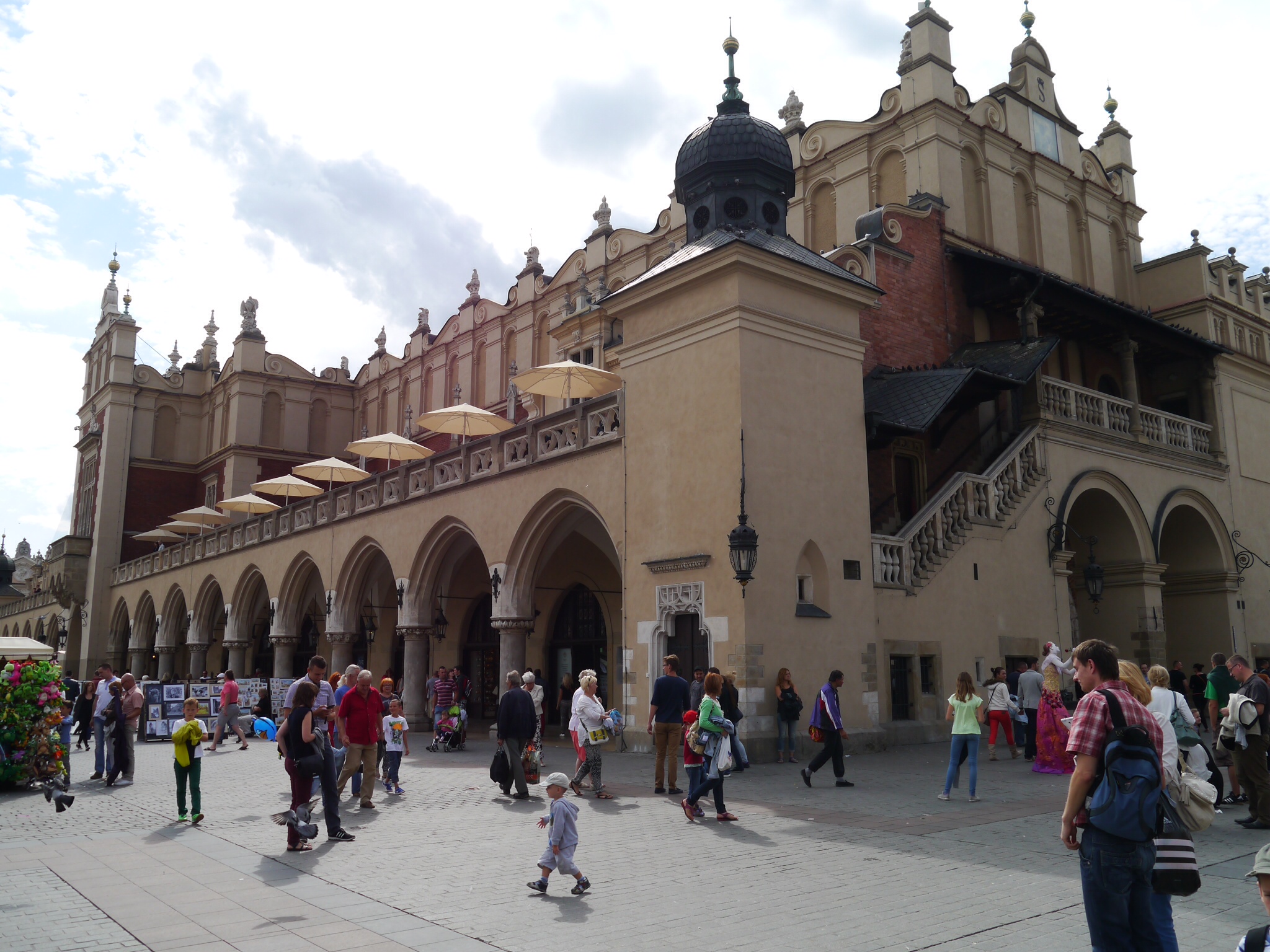
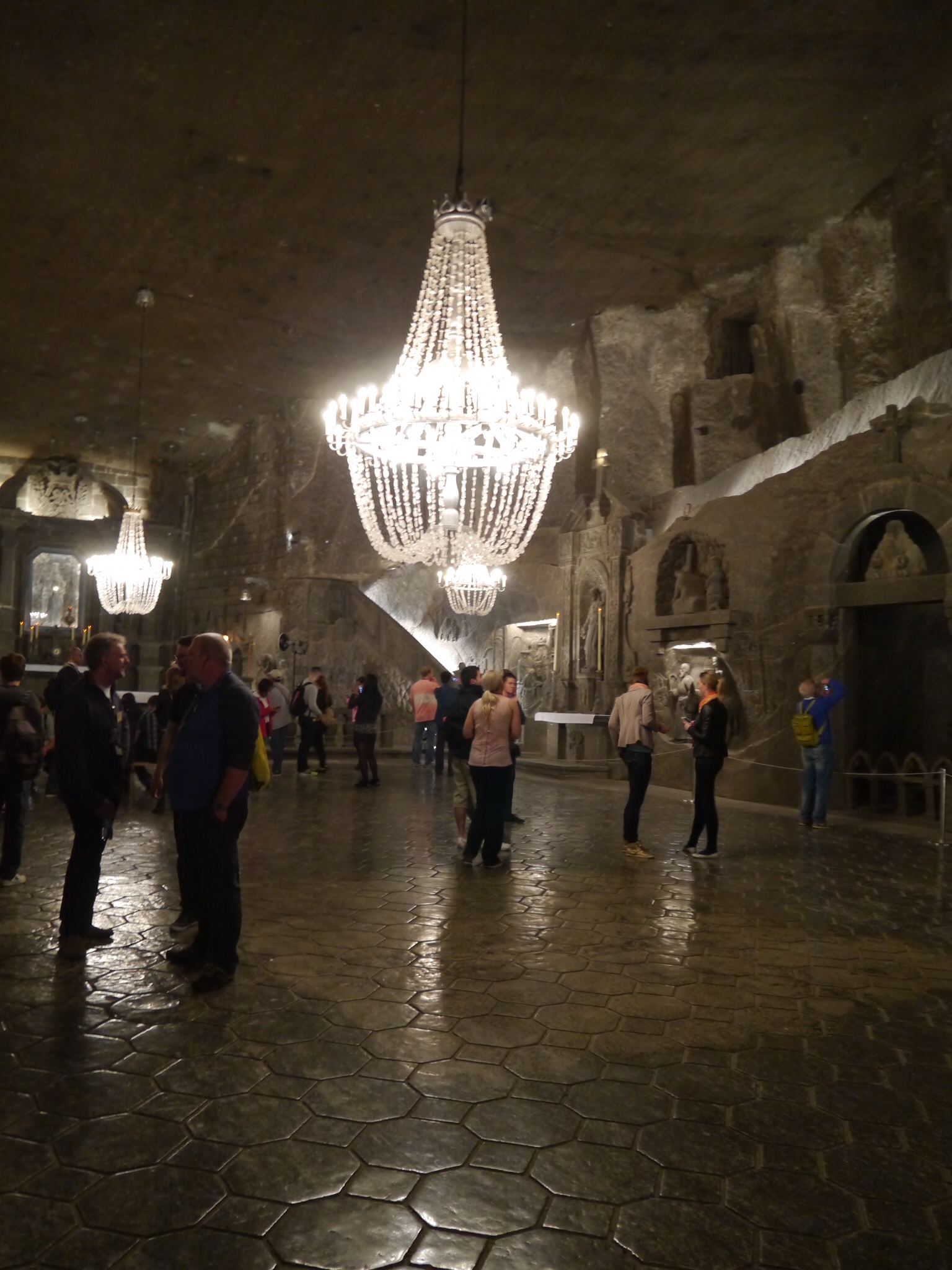
Now, if you really want to dig deeper into the region’s history, then head south to the Salt Mine in Wieliczka. The 700-year old mine, which ceased operations in the 1990s, is a bonafide UNESCO World Heritage site (there seems to be a lot of those in and around Krakow). As you might imagine, working conditions were quite perilous in the early centuries, with daily threats of gas explosions, flooding, and fires. But the miners literally carved out an existence beyond salt production. I was astonished to find enormous cathedrals, dining areas, residential quarters, and social spaces sculpted from the rock salt — often with stunningly gorgeous results.
******
Back on the surface, Krakow offers plenty of opportunities to learn about the city’s rich Jewish heritage. The Kazimierz district, once home to Krakow’s Jewish population, is located just south of Planty Park. Today, essentially the only Jews left in Kazimierz are the ones buried in the historical cemeteries. During Nazi occupation, Krakow’s Jews were rounded up and forcibly relocated to what became the Jewish ghetto in Podgórze, just across the Visula river.
Although Jewish synagogues and cultural museums evoke a past heritage, today Kazimierz is Krakow’s hipster haven. Full of amazing family-run restaurants, boutiques, and candlelit bars, the scruffy streets of Kazimierz carries an ambience not unlike that of H St. NE in D.C. It quickly became my to-go even destination away from the tourist-saturated streets of old town.
Hanging over all of this, of course, is the inescapable sorrow and tragedy of Auschwitz.
******
Arbeit macht frei. The gate is as instantly recognizable as the Pyramids of Giza, the Eiffel Tower, the Empire State Building — name your landmark. But few world sites can conjure such a sense of dread as the iron gate under which you must pass for entry into the grounds of the Auschwitz concentration camp.
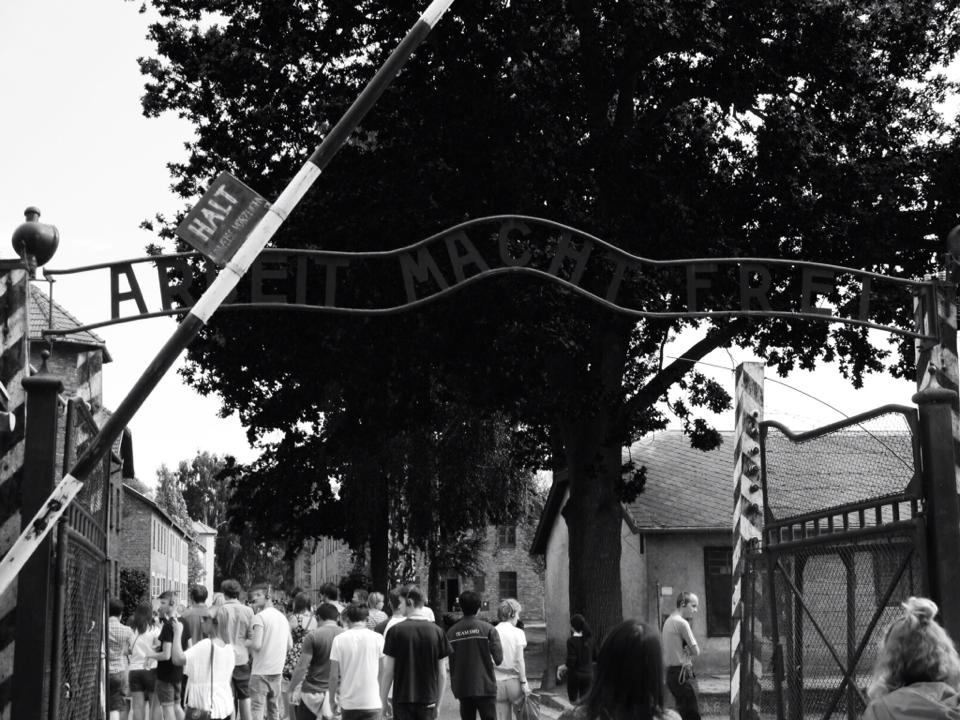
Visiting Auschwitz was not something I “looked “forward to doing, but it was something that I felt I had to do as a human being. The site, now a protected museum and UNESCO World Heritage Site with the official moniker of Auschwitz Birkenau: German Nazi Concentration and Extermination Camp (1940-1945), is mostly unchanged from the days following liberation by the Russian army. There are no multimedia displays; no re-enactments by costumed actors; no interactive touch exhibits. Just acres of stark solemnity befitting a cemetery for 1.3 million people.
A tour of Auschwitz takes you through the unsanitary barracks that once held hundreds of thousands of prisoners; to make-shift courtrooms where prisoners suspected of smiling sarcastically were capriciously deemed worthy of death by lethal injection or gunfire; to laboratories were Josef Mengele experimented on women’s vaginas with his chemicals and knives; to jails where priests starved themselves to save the life of another innocent; onto a field that served as a shooting ground; and inevitably onward to the depths of a gas chamber and crematorium.
The sheer depravity of the Nazi regime is incomprehensible. But it happened, and a visit to Auschwitz forces the mind to accept that such crimes have to, somehow, be comprehended.
So, go to Krakow and act on the wishes of the survivors: remember, educate, and commemorate.
*****
Visit the full Krakow photo gallery.
 michaelsolem.net